


Has Your Menstrual Cup or Disc Got Stains? Here’s How to Fix Them
Whether you have a menstrual cup or a menstrual disc, we have great tips to assist in removing staining.

5 Tips for Removing Cup and Disc Stains
It is the nature of silicone to eventually stain over time. This is nearly inevitable with most clear menstrual cups and discs, however, there are a few things you can do to delay any staining and to remove stains that may have formed. What is important to remember is that, just because your cup may have discoloured, it is still perfectly safe and effective to use. The only reason you would need to purchase a new one, is if there are signs of deterioration on the cup, or if you simply want to have a clean looking one again.
1. Cold water before warm
Always rinse your cup or disc with cold water first to remove any leftover contents before rinsing it under warm water. The warm water can cause stains to set in the silicone.
2. Scrub, scrub, scrub
Sometimes all you need is a little elbow grease. Often, much of the discolouration you see may be surface stains. Use a mild, scent-free, water based soap with a cloth and give your menstrual cup a really good scrub. Take extra care if cleaning a menstrual disc as the silicone is usually much thinner and more delicate. This process can often improve the look of your cup considerably.
3. Sun bake
Place your cleaned menstrual cup or disc in a sunny position for a few hours. Ensure it is not in such a hot position that it might melt. This exposure to the sun can do wonders in reducing discolouration.
4. Proper care and cleaning
Ensuring that you clean your cup properly, including the rim, holes, and stem, will help delay the formation of stains. Use a toothpick to clean the holes, and gently pull out the rim of the cup and rinse under cold running water, to ensure all fluid and debris have been removed.
If cleaning a menstrual disc, make sure the rim and any notches or removal tabs are clean and free of debris.
5. Vinegar, Hydrogen Peroxide, etc etc
Many forums recommend soaking a menstrual cup in vinegar or Hydrogen peroxide solutions. This may work, and may not cause damage to the cup, however, most cup brands do not recommend using these methods due to the potential of causing deterioration to the silicone. If using one of these methods, you must ensure all traces of vinegar or hydrogen peroxide have been removed (best achieved through a good boil and then sun dry). You also shouldn’t do either of these methods on a regular basis, since it may compromise the longevity of your cup.
White Powder on Cup Surface
Boiling your cup in hard water may lead to a build up of mineral deposits on the surface of your cup. These are harmless and should be easy to rinse or wipe off.
Coloured Cups and Discs
If you don’t particularly like the idea of a stained menstrual cup, you may like to consider a coloured cup or disc. The coloured silicone will help disguise any discolouration. Black cups and discs should not show any staining at all. Coloured cups and discs can also add a little fun and prettiness to your period care regime.
Explore Coloured Cups and Discs
-
Sale!

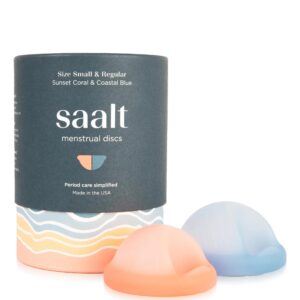
Saalt Menstrual Disc Duo Box
$ 89.95Original price was: $ 89.95.$ 79.95Current price is: $ 79.95.Rated 4.83 out of 5 -
Sale!
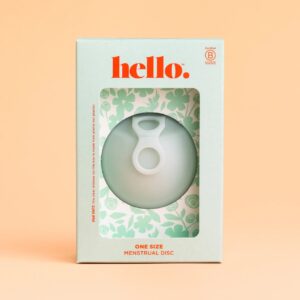
Hello Disc
$ 59.95Original price was: $ 59.95.$ 54.95Current price is: $ 54.95.Rated 4.86 out of 5 -
Sale!
-
Sale!
Lunette Menstrual Cup
$ 44.95Original price was: $ 44.95.$ 39.95Current price is: $ 39.95.Rated 4.55 out of 5


Frequently asked questions:
Learn more about menstrual cup & disc care with the FAQ’s below.
Yes, both menstrual cups and menstrual discs can be cleaned by sterilising them in the microwave. Make sure to thoroughly rinse them in cold water first. We recommend using a silicone microwave steriliser or a microwave steriliser bag. Be careful when removing from the microwave as both these items will be very hot.
Yes. Providing the cup or disc has been properly cleaned and routinely sterilised, with no remaining old period debris, it is safe to continue using. The staining itself does not affect the integrity of the cup or disc.
Menstrual cups and discs should last for 2-10 years with proper care. If there are any signs of deterioration, damage, a white powdery film accompanied with a grainy texture, or a very foul smell, then it is probably time to buy a new cup or disc.
We usually recommend not using a menstrual cup if you have a yeast or other vaginal infection.
While silicone is odourless, it is possible for your cup to develop a smell with use. This is an odour of the cup itself, not the period odour you may smell during your cycle. Visit our tips for removing menstrual cup odour for help dealing with this issue.
Yes. The same methods are used to clean both menstrual cups and discs. Both are also suitable to be cleaned in microwave sterilisers. Just be aware that menstrual discs usually have much thinner silicone and may require more delicate handling during cleaning and boiling.
Sometimes hard water minerals can accumulate and dry on the surface of a menstrual cup or disc following boiling. This is nothing to be worried about. This white powder should just wipe or rinse off. If the white powder is accompanied by any sign of cup deterioration, it may be time to purchase a replacement.
Learn more about menstrual cups and periods:
Menstrual cup dangers
Menstrual Cup and Disc Dangers – are there any? Menstrual cups are typically considered to be a very safe and reliable period care option. However, some risks may occur through improper use or the improper sizing of a cup. Some of these risks may include: Bacterial infection: Hands should be thoroughly washed before handling, inserting,
5 tips to remove Menstrual Cup Odour
Does Your Menstrual Cup Smell Bad? Here’s How to Fix It Whether you have a DivaCup, Saalt cup, a menstrual disc, or any other brand, we have great tips for removing unpleasant odours. So you’ve finally figured out how to use and clean your menstrual cup and it’s been great, aside from one small issue
How long can you wear a menstrual cup?
How Long Can You Wear a Menstrual Cup? Most menstrual cup brands claim their products can be worn for 8 to 12 hours, and this is true for the most part. However, these claims have caused some confusion amongst customers. Is it safe to wear a menstrual cup all day? Are 12-hour menstrual cups better